
Google Ads vs. Social Media Ads: Where Should You Invest First?

If you’re a business owner ready to invest in digital marketing but unsure where to start, you’re not alone. One of the most common questions we hear is: Should I invest in Google Ads or social media ads first? Both platforms have massive potential but which one is right for your business today? The answer depends on your goals, audience, budget, and where your customers are in their buying journey. In this blog, we’ll break down the strengths and weaknesses of both platforms, share real-world examples, and give you a framework to help you make an informed, cost-effective decision. What Are Google Ads? Google Ads is a pay-per-click (PPC) advertising platform that places your business at the top of search results when users type in relevant keywords. It’s ideal for capturing intent-based traffic people actively looking for your products or services. Key Benefits of Google Ads: High buyer intent: Users are already searching for solutions Immediate visibility: Show up at the top of Google results Highly measurable: Track keywords, conversions, ROI Flexible targeting: Based on keywords, location, device, time of day Common Campaign Types: Search ads: Appear at the top of Google search results Display ads: Banner ads across Google’s partner websites Shopping ads: Product listings for eCommerce YouTube ads: Video ads on YouTube When Google Ads Works Best: You’re in a competitive industry where people search for services (e.g., “plumber near me,” “family lawyer in Austin”) You need to drive high-quality traffic fast Your website is already optimized for conversions Learn more about the basics of PPC here: Google Ads Help What Are Social Media Ads? Social media ads appear on platforms like Facebook, Instagram, LinkedIn, and TikTok. Unlike Google Ads, which target search intent, social ads target audience behavior and demographics. Key Benefits of Social Media Ads: Visual-first and highly engaging Advanced targeting options: Interests, behaviors, job titles, life events Great for brand awareness and retargeting More affordable CPC (cost-per-click) in many cases Supports storytelling through videos and carousels Popular Platforms: Meta (Facebook + Instagram): Great for local businesses, eCommerce, events LinkedIn: Ideal for B2B and service-based industries TikTok + Pinterest: Perfect for visual, trend-based marketing When Social Media Ads Work Best: You’re building brand awareness or launching a new product You have strong visuals, video, or story-based content You want to retarget website visitors or email list subscribers Want to learn how we help businesses succeed with social ads? Check out our Social Media Services. Business Scenario #1: A Local Service Business Business: A family-owned HVAC company in Austin Challenge: They want more inbound calls and service bookings. Strategy: Google Ads is the clear winner here. Why? Because people are already searching for “AC repair near me” or “best HVAC company in Austin.” With a small daily budget and high-converting landing page, the business could see results in under a week. Bonus Tip: Use Google My Business to enhance local visibility. Business Scenario #2: A New Product Launch Business: An eCommerce store launching a new skincare line Challenge: No brand recognition yet, but they want to generate buzz and sales. Strategy: Start with social media ads—especially Instagram and TikTok. These platforms are ideal for showing product demos, influencer videos, and testimonials. Once there’s traffic to the site, retarget those visitors with Google Display or YouTube Ads to increase conversions. Explore how we helped an eCommerce brand increase ROAS 3x in our Case Study. Business Scenario #3: A B2B Consulting Firm Business: A business coach targeting executive leadership teams Challenge: Their sales cycle is long and trust-based. Strategy: LinkedIn Ads and Facebook Ads are a smart starting point. The firm can share thought leadership content, lead magnets, and testimonials to build awareness. Pair that with a remarketing campaign on Google Display to stay top of mind. See how we build smart, integrated ad strategies for B2B brands on our Google Ads Services page. Budgeting Tips: Where Should You Invest First? If your budget is limited, start by answering these questions: Are people actively searching for what I offer? Yes: Start with Google Ads No: Start with social media to generate demand Is my product or service easy to explain in one sentence or image? Yes: Either channel could work No: Lean toward social media for storytelling and visuals Do I have a strong brand presence already? Yes: Use Google Ads to capture warm leads No: Use social media to build awareness first Can I support both with great content and landing pages? Then it’s time to run both platforms together for best results Need help crafting a strategy that fits your budget? Contact our team for a free discovery call: Contact Us Our Recommendation Both Google Ads and social media ads are powerful. But it’s not always about which one is “better” — it’s about which one is better for your business right now. If you want quick conversions from people actively searching, Google Ads delivers. If you need to build awareness, nurture trust, and tell a story, social media ads shine. For most businesses, a combination of both over time is the most effective long-term strategy. Not sure how to manage both? See how we simplify strategy for busy business owners: Learn more about our services. Final Thoughts There’s no one-size-fits-all when it comes to digital advertising. Your audience, goals, and resources should shape your strategy. The most successful campaigns come from understanding not just where your customers are but where they are in their decision-making journey. Start small. Test what works. Track everything. And most importantly, invest where you see the clearest path to ROI. Still unsure where to start? Contact us, we’d love to chat.
Batching, Scheduling & Repurposing: The Time-Saving Social Media Trio Every Founder Needs

If you’re an overwhelmed business owner trying to keep up with social media, you’re not alone. Posting daily, chasing trends, creating fresh content can quickly feel like a full-time job on top of running your business. But what if you could work smarter, not harder, and still deliver engaging, quality content consistently? Welcome to the time-saving social media trio: batching, scheduling, and repurposing. These three powerful strategies can help you streamline your social media workflow, reduce burnout, and free up your time without sacrificing quality or engagement. In this post, we’ll break down each tactic, why it works, and how you can start implementing them today. Plus, you’ll find practical tips and tools to get started immediately. Why Time Management Matters for Social Media Social media is a vital channel for business growth building brand awareness, generating leads, and nurturing customer relationships. However, many founders get stuck in the endless cycle of daily content creation and posting, which can lead to: Burnout and overwhelm Inconsistent posting schedules Lower content quality Missed business opportunities By mastering batching, scheduling, and repurposing, you can regain control of your time while keeping your social media presence vibrant and effective. 1. Batching: Create More in Less Time What is batching? Batching means grouping similar tasks together and completing them in focused blocks of time. Instead of switching between different activities (which wastes energy and time), you dedicate time to just one type of task. For social media, batching typically involves creating multiple pieces of content such as captions, graphics, photos, or videos all at once, rather than daily. Why batching works Boosts focus: Concentrating on one task reduces distractions and increases efficiency. Saves mental energy: You get into a flow state, minimizing the time it takes to start and stop tasks. Encourages creativity: Working on multiple pieces back-to-back can inspire new ideas and consistent messaging. Reduces procrastination: Setting a clear time block helps you commit to content creation. How to batch your social media content Plan your content themes for the month: Use a simple content calendar to map out topics aligned with your brand and audience interests. Set aside dedicated time blocks: For example, reserve 2-4 hours weekly to create all your captions, shoot photos/videos, or design graphics. Use templates: Create reusable graphic templates with tools like Canva to speed up design. Write captions in bulk: Draft several post captions in one sitting, focusing on storytelling, calls to action, or educational content. Pro Tip: Keep a running list of ideas and questions from your audience to fuel your batching sessions. 2. Scheduling: Automate Your Posting What is scheduling? Scheduling means planning and automating your posts in advance using social media management tools. Instead of manually posting content each day, you queue up posts to publish automatically at optimal times. Why scheduling matters Consistency: Regular posting is key to algorithmic favor and audience trust. Scheduling removes the “will I post today?” question. Saves daily effort: You’re not scrambling every morning to create and publish posts. Optimizes timing: Most scheduling tools allow you to post when your audience is most active, maximizing reach. Enables multi-platform management: Manage Facebook, Instagram, LinkedIn, and Twitter in one place. How to schedule your social media posts Choose the right scheduling tool: Popular options include Buffer, Later, Hootsuite, and Planoly. Upload your batched content: Use your dedicated batching sessions to prepare content that can be uploaded all at once. Set posting times based on analytics: Most tools or native platforms provide insights on when your followers are online. Schedule posts accordingly. Mix content types: Alternate between promotional posts, educational content, engagement prompts, and behind-the-scenes looks to keep your feed fresh. Pro Tip: Use the scheduling tool’s “best time” feature if you’re unsure when to post. 3. Repurposing: Get More Mileage from Your Content What is repurposing? Repurposing means taking existing content and adapting it into new formats or for different platforms. Instead of constantly creating new posts, you reuse your best-performing content in fresh ways. Why repurposing is a game-changer Saves time and effort: Maximize the ROI on each piece of content. Reaches different audiences: Different formats appeal to different people—some prefer video, others love infographics or written posts. Strengthens your message: Repetition across formats helps reinforce your brand and key ideas. Improves SEO and discoverability: More content out there means more chances to be found. How to repurpose your social media content Turn blog posts into social posts: Break down a blog post into bite-sized tips, quotes, or graphics. Create videos from written content: Record short videos explaining a blog topic or answering FAQs. Use Stories, Reels, or TikTok: Repurpose long-form content into short clips with captions and calls to action. Make infographics or carousel posts: Visualize statistics, processes, or step-by-step guides. Update and repost: Refresh older posts with new info or seasonal updates and share them again. Pro Tip: Track your top-performing content and prioritize repurposing that. Bringing It All Together: The Workflow of the Time-Saving Trio Here’s a simple weekly workflow that uses batching, scheduling, and repurposing: Monday: Plan your content calendar and decide themes. Tuesday: Batch create content—write captions, design graphics, film videos. Wednesday: Batch repurpose older content into new formats. Thursday: Upload content into your scheduling tool and set posting times. Friday: Engage with comments, monitor performance, and adjust strategy. Tools to Support Your Social Media Trio Content creation & design: Canva, Adobe Spark, InShot Scheduling: Buffer, Later, Hootsuite, Planoly Analytics: Native platform insights, Google Analytics Content idea generation: AnswerThePublic, BuzzSumo, Google Trends Why Founders Need This Trio As a business owner, your time is your most precious resource. Social media can either be a draining distraction or a powerful growth lever. By mastering batching, scheduling, and repurposing, you: Avoid daily content stress Keep your audience engaged consistently Free up time for other business priorities Maintain high-quality, authentic content Final Thoughts Social media success doesn’t have to mean sacrificing your sanity. With batching, scheduling, and repurposing, you can build a sustainable, strategic approach that saves
5 SEO Mistakes You’re Probably Making (and How to Fix Them)

If you’re a business owner trying to get your website noticed, SEO (Search Engine Optimization) can feel like a maze. You’ve heard it’s essential, but the rules keep changing, and you’re not sure if you’re on the right path. The truth is, SEO is not just about sprinkling keywords or building a few links; it’s a strategic process that, when done right, drives real, predictable traffic. But many businesses unknowingly sabotage their SEO efforts with common mistakes that slow down their growth and bury them deep in search results. In this post, we’ll dive into the 5 SEO mistakes you’re probably making and, more importantly, how you can fix them to start seeing real results 1. Ignoring User Intent – Optimizing for the Wrong Keywords One of the biggest mistakes we see is businesses focusing on keywords that don’t match what their ideal customers are actually searching for. You might think ranking for broad, high-volume keywords like “marketing services” or “best SEO company” will get you traffic but if those keywords don’t align with what your target audience wants, that traffic won’t convert. Why This Happens Business owners often pick keywords based on search volume or personal assumptions, rather than actual customer intent. For example, someone searching “what is SEO” is in the research phase, not ready to hire an agency. How to Fix It Use tools like Google Keyword Planner, Ahrefs, or SEMrush to analyze keywords your audience is searching for. Look beyond volume and focus on relevance and intent. Map keywords to the buyer’s journey: informational, navigational, transactional. Create content tailored to each stage, so visitors get exactly what they need and are guided toward your offer. Pro Tip: Use Google Search Console to identify which queries are already bringing traffic, then optimize pages to improve rankings for those. Learn more about user intent here: Moz’s Beginner’s Guide to SEO – Keyword Research 2. Neglecting Technical SEO — The Foundation of Your Website You can have stellar content and great backlinks, but if your website isn’t technically sound, Google won’t know how to properly crawl, index, or rank it. Technical SEO is the invisible framework that supports every other SEO effort. Common Technical SEO Issues Explained Slow site speed: If your pages take too long to load, visitors bounce before they even see your content. Google also favors faster sites in rankings. Broken links or 404 errors: These frustrate users and signal to search engines that your site isn’t well maintained. Poor mobile experience: With over half of all web traffic coming from mobile devices, Google uses mobile-first indexing, meaning your site’s mobile version is what really matters. Missing or duplicate meta tags: Meta titles and descriptions help search engines understand your pages. Duplicates confuse crawlers and dilute SEO value. No SSL certificate (HTTPS): Security is a trust factor for users and search engines alike. Sites without HTTPS may be flagged as insecure. Improper URL structures: URLs should be clean, descriptive, and easy to read (think: www.yoursite.com/seo-tips, not www.yoursite.com/page?id=123). How to Fix It Run regular technical SEO audits. Don’t wait until you notice a traffic drop. Use tools like Google Search Console, Screaming Frog, or Ahrefs Site Audit to find and fix issues. Optimize site speed: Compress images using tools like TinyPNG, implement browser caching, minimize redirects, and consider upgrading your hosting if needed. Make your site mobile-friendly: Use responsive design and test with Google’s Mobile-Friendly Test. Fix touch elements and font sizes to improve usability. Fix broken links and redirects: Redirect old URLs properly with 301 redirects to preserve link equity. Remove or update broken links to enhance user experience. Ensure HTTPS: Obtain an SSL certificate for your domain it’s often free via services like Let’s Encrypt. Simplify URL structures: Use keywords in URLs, avoid unnecessary parameters, and keep them concise. When your website’s technical health is solid, all your marketing efforts can perform at their best. 3. Overlooking On-Page SEO Essentials On-page SEO is where you directly control the elements on your site to make it easier for search engines and users to understand your content. It’s the art of optimizing individual pages so they rank well and deliver value. Common On-Page SEO Mistakes in Detail Missing or poorly written title tags and meta descriptions: These appear in search results and influence click-through rates. Generic or missing titles mean you miss chances to grab attention. Keyword stuffing or unnatural usage: Overloading your content with keywords makes it hard to read and can trigger penalties. The goal is natural, helpful content with strategic keyword placement. Thin content: Pages with very little useful information often don’t rank well. Google favors comprehensive answers that satisfy searcher intent. Poor use of header tags (H1, H2, H3): Headers structure content, improving readability for users and helping search engines understand page hierarchy. Ignoring internal linking: Linking to other pages on your site helps users explore more content and distributes “link juice” for SEO. How to Fix It Craft clear, compelling title tags: Incorporate your primary keyword near the start, keep it within 50-60 characters, and make it enticing enough to encourage clicks. Write engaging meta descriptions: Use 150-160 characters to summarize the page’s value and include a call to action when appropriate. Use keywords thoughtfully: Place them in key areas such as first paragraph, headers, and naturally throughout. Avoid forced or repetitive use. Create valuable, in-depth content: Cover topics fully with actionable advice, examples, and relevant data. Don’t just scratch the surface. Structure with header tags: Use one H1 per page (usually the title), then H2s and H3s to break down content logically. This improves scanning and SEO. Strategically link internally: Link to relevant blog posts, service pages, or resources to keep visitors engaged and distribute SEO authority. On-page SEO bridges the gap between what your audience wants and what Google rewards. 4. Ignoring Backlinks and Off-Page SEO Backlinks remain one of the most powerful ranking factors in SEO. However, many businesses either overlook their importance or use outdated, risky tactics
Search Everywhere Optimization: Why SEO in 2025 Goes Beyond Google

Let’s be honest. When someone says “SEO,” your brain probably goes straight to Google rankings, right? We’ve all been there, obsessing over those precious top spots on the search results page. But here’s the thing: if you’re still playing by 2020’s rules in 2025, you’re missing out on a massive opportunity. The search landscape has exploded beyond traditional search engines, and your audience is looking for you in places you might not even realize. We’re talking about TikTok searches, Amazon product hunts, ChatGPT conversations, voice assistant queries, and so much more. Welcome to the era of Search Everywhere Optimization—where your SEO strategy needs to be as diverse as your audience’s search habits. Let’s get into it.. The Reality Check: Google Isn’t the Only Game in Town Anymore Don’t get me wrong. Google still rules the roost with billions of searches daily. But here’s what caught our attention: over 50% of product searches start on platforms like Amazon, and 70% of millennials use social media to research products. That’s not just a trend; that’s a fundamental shift in how people discover and interact with brands. Think about your own behavior for a second. When you’re looking for a new recipe, do you Google it, or do you scroll through TikTok until something catches your eye? When you need a quick answer to settle a debate with friends, are you typing into Google, or are you asking Siri while you’re all still sitting around the table? In a list of the top search engines outside of Google, ChatGPT ranks number 2. Let that sink in for a moment. An AI chatbot that didn’t even exist a few years ago is now the second most popular search destination. If that doesn’t scream “the game has changed,” I don’t know what does. What Exactly Is Search Everywhere Optimization? Search Everywhere Optimization (SEvO) is basically SEO’s cooler, more versatile cousin. Instead of putting all your eggs in the Google basket, you’re spreading your optimization efforts across every platform where your audience might be looking for you. SEvO is essential to stay competitive in a multi-platform, AI-driven search landscape. Think of it this way: traditional SEO is like having a great storefront on Main Street. Search Everywhere Optimization is like having that same great presence on Main Street, the mall, the farmer’s market, the local coffee shop bulletin board, and anywhere else people might stumble across your business. The beauty of SEvO is that it acknowledges something we all know but often forget: people don’t search in just one way or in just one place. Your potential customers are platform-hopping, device-switching, and format-mixing their way to finding what they need. The Platforms That Actually Matter (And Why) Social Media: The New Search Engine Here’s something that might surprise you: social platforms aren’t just for posting pretty pictures and life updates anymore. They’ve become legitimate search engines. When someone wants to find the best pizza place in town, they’re just as likely to search Instagram hashtags or scroll through TikTok reviews as they are to hit up Google. Social media algorithms emphasize engagement and trending topics, which means the content that performs well here is often timely, relevant, and highly engaging. That’s a goldmine for brands that can tap into trending conversations and create content that actually resonates with their audience. The trick here is understanding that social media search behavior is different from traditional search. People aren’t necessarily looking for the most authoritative or comprehensive answer, they want something authentic, visually appealing, and easy to consume. Your content strategy needs to reflect that. Voice Search: The Conversational Revolution Gen Z will lead all other age groups in voice search usage by 2027, with nearly 64% of Gen Zers projected to use voice search, and millennials coming in a close second at 62%. But here’s what’s really interesting: only 13% of marketers plan to take advantage of voice search optimization in 2025. That’s a massive opportunity gap. While most marketers are still figuring out voice search, you could be getting ahead of the curve. Voice search optimization ensures content ranks for voice-activated searches via Alexa, Google Assistant, and Siri. The key difference is that voice searches tend to be more conversational and question-based. Instead of typing “best Italian restaurant NYC,” someone might ask their phone, “Hey Google, what’s a good Italian restaurant near me that’s open right now?” AI-driven tools help marketers optimize content to align with the way people speak by analyzing large datasets of voice queries to identify common phrases, long-tail keywords, and question-based formats. AI-Powered Search Tools: The Game Changers This is where things get really interesting. AI tools like ChatGPT and Google Gemini provide direct answers, bypassing traditional search, and without AI optimization, your content won’t surface in conversational results. AI-powered tools like ChatGPT and voice assistants have introduced a new layer of search behavior, relying on different algorithms and context-based responses, requiring optimization tailored to natural language queries. What this means for you is that your content needs to be structured in a way that AI can easily understand and reference. Think comprehensive, well-organized information that directly answers questions people are likely to ask. Amazon and E-commerce Platforms: Where Intent Meets Action If you’re selling products, ignoring Amazon’s search algorithm is like leaving money on the table. Over 50% of product searches start on platforms like Amazon, which means this is where high-intent buyers are hanging out. Amazon’s search algorithm prioritizes different factors than Google—things like sales velocity, customer reviews, and conversion rates matter more than traditional SEO signals. Your product titles, descriptions, and images need to be optimized for discovery within Amazon’s ecosystem. The Strategic Approach: How to Actually Do This Start with Understanding Your Audience’s Search Journey Before you dive into optimizing for every platform under the sun, take a step back and really understand how your audience searches. Are they visual learners who prefer TikTok and Instagram? Are they researchers who dive deep into Reddit threads? Are they
Effective Use of Influencer Marketing in 2025: A Guide for Small Businesses
When it comes to digital marketing, there’s no denying the fact that influencer marketing has become one of the top strategies for boosting brand awareness, interactions and sales with potential clients. But let’s be honest, influencer marketing has changed a lot from what it used to be. It’s no longer JUST about advertising using celebrities or higher tier influencers; it’s much more sophisticated and can be adapted for the specific requirements of a small business. If you’re a small business owner who wants to take advantage of influencer marketing but don’t know how, or even if you already have influencers and want to improve the method, then this blog is for you. In this article, we are going to discuss how to utilize influencer marketing in 2025 in a way that optimizes ROI alongside attaining business milestones. Additionally, we’ll provide tips on how to launch effective campaigns without draining your resources. What’s Changed in Influencer Marketing in 2025? Before diving into strategies, let’s take a quick look at how influencer marketing has changed over the years and what’s shaping in 2025. Rise of Micro and Nano Influencers: Micro influencers (1,000 – 100,000 followers) and nano influencers (less than 1,000 followers) remain the main focus for a lot of brands in 2025. Unlike larger influencers or celebrities who have a wider audience, their results are often superficial, which is less appealing. Micro and nano influencers usually have a very tight-knit and loyal audience, which means they often get better engagement. This trend is especially useful for smaller businesses that may not have a lot of money to work with since these types of influencers tend to be more affordable and require less payment, often accepting products or services instead. Shifting to Authenticity: People don’t want to listen to fake advertisements. People want to feel as if what is being advertised to them is being advertised organically and not for monetary purposes. In 2025, brands will start to engage with influencers that actually believe in their products. This will enable the creation of novel and genuine campaigns which increase audience engagement. Integration of AI and Automation: With the rise of AI, applications that help brands identify, manage and analyze influencer brand partnerships have become much easier to access. Small businesses now have access to AI powered software that helps filter the ideal influencer, scales the campaign, and measures the results efficiently. Emphasis on Video and Live Streaming: Short form videos have become the most popular type of content, following TikToks, Reels and YouTube Shorts. Influencers now focus on creating genuine content in a story-telling format. Another rising trend is live streaming, which allows instantaneous interaction between the influencer and the audience, increasing the level of intimacy they both share. This is not to discredit long form contact as Instagram recently announced this is what they are striving to push more of. The Importance of Data and Analytics: It’s easier to evaluate influencer marketing today than in the past, which is a plus for small businesses, as they have access to data that can measure the results of your campaigns. Now, analytics tools can monitor engagement, site visits, and sales conversion ratios so businesses can understand what worked well for them or where they can do better. Now that we have a snapshot of what influencer marketing looks like in 2025, let’s break down how small businesses can effectively tap into this powerful tool. Step 1: Define Clear Goals for Your Campaign The first step in an influencer marketing campaign should be to define goals that are clear and measurable. If you don’t define what results you are looking to achieve, you will end up spending money and time on influencer partnerships that do not work. Are you hoping to: Increase brand awareness? Boost website traffic or sales? Generate leads or sign-ups? Strengthen brand loyalty and customer relationships? Your goals will influence which types of influencers you partner with, the content they create, and how success looks to you. For example, if your aim is brand awareness, using influencers focused on marketing and promotion, even with low engagement rates, may be the right move. However, if you want to increase sales, you may find it more beneficial to work with micro-influencers who are persuasive and are more likely to get your business more personalized content. Step 2: Select the Right Influencers Choosing the best influencers is vital for your campaign’s success. Small businesses often make the mistake of targeting influencers with huge followings, believing that more people will automatically lead to more success. As we discussed before, there is a shift to micro and nano influencers who possess a more targeted, engaged, and passionate audience to market to. Here are a few things to consider when selecting the right influencer for your brand: 1. Relevance: Check if the influencer’s audience matches your prospects. For instance, if you sell handmade eco-friendly skincare products, an influencer that specializes in sustainability or beauty will be a good fit. 2. Engagement over Follower Count: More than the number of followers, the influencer’s engagement rate matters the most. An influencer with 10,000 engaged followers could work much better than one with 100,000 followers but barely any likes. Also, check the number of likes, comments, shares, and other interactions on their posts. Don’t be afraid to ask for their insights! 3. Authenticity: Does the influencer post content that aligns with their belief system, or do they post for money? Authenticity is critical in 2025 so be sure to partner with influencers that share similar values and aesthetics as your brand. 4. Content Style: Observe how an influencer engages and connects with their audience. Is their tone lighthearted, fun, or serious and professional? Whatever their style is, make sure it reflects your brand’s voice. Tools like Upfluence, Heepsy, or BuzzSumo can help you search for influencers based on specific criteria, like industry, audience demographics, and engagement rates. Step 3: Foster Long-Term Relationships with Influencers In 2025, influencer marketing is
The Google Ads Trap: Are You Overpaying for Clicks with Little ROI?
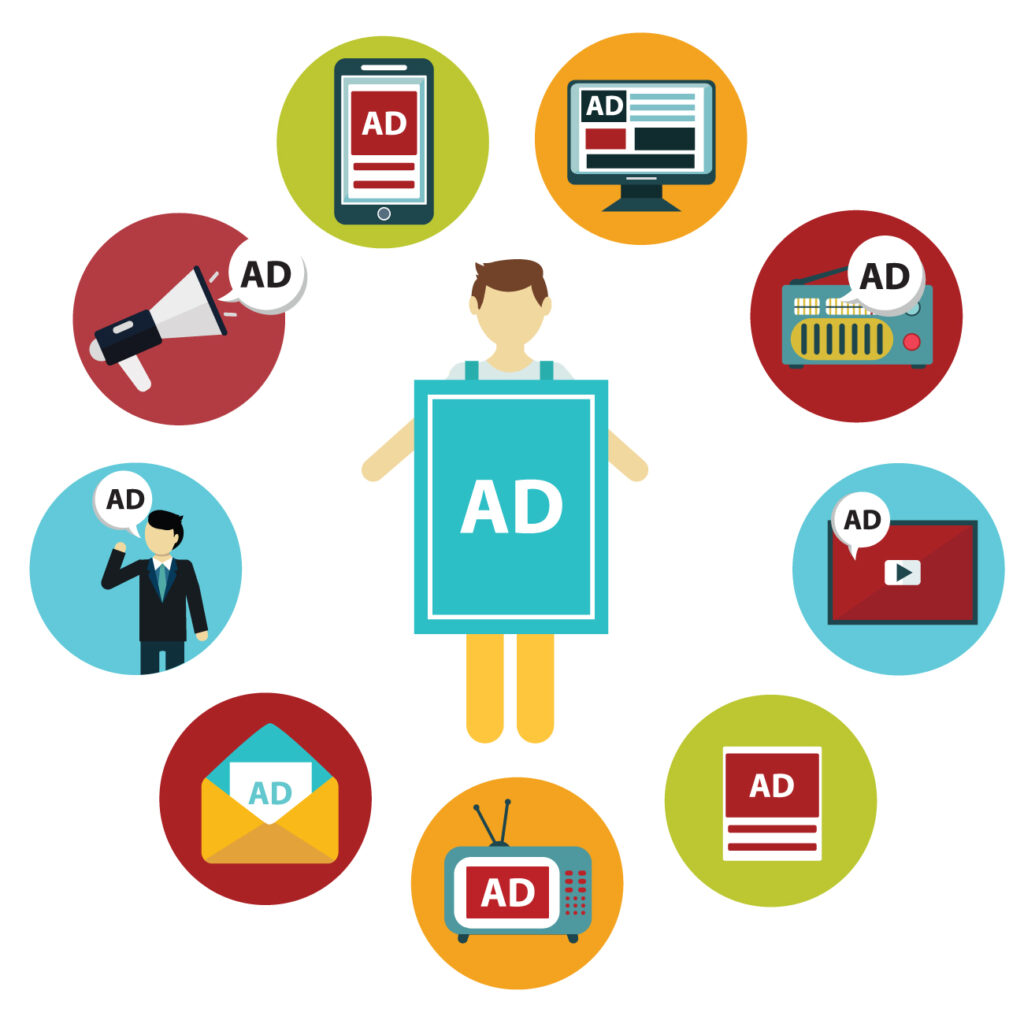
Google Ads is perhaps one of the most effective advertising tools in the world of digital marketing. It’s because hundreds of billions of searches are carried out on Google every day making the business potential and reach massive. But Google Ads can be a blessing and a curse. Without proper management of Google Ads, many businesses find themselves stuck in the Google Ads trap where they spend excessive amounts on clicks, but achieve NOTHING. In this blog, we will explore the dangers associated with poorly designed Google Ads campaigns, especially campaigns that are characterized by over-bidding and mismanagement that results in precarious budget allocation. We will also incorporate measures that rural based businesses can take in order to avoid common mistakes and help sharpen their cost saving efforts. After reading this guide, you will know how to better structure your Google Ads campaigns, effectively reach and target your audiences, and most importantly, get every single cent to work for your business. Understanding Google Ads: The Basics Let’s talk about the risks and traps that come along with Google ads. First off, it is essential to understand the workings of Google Ads. Google Ads uses pay-per-click advertising or PPC advertising, which means that businesses have to pay every time a user clicks on their advertisement- whether they convert or not. The ads appear on Google search results pages and on the google display network (GDN), which has millions of partner websites. Companies design ads which relate to particular keywords and target a certain audience, and Google displays those ads to people who are most likely looking out for that service or product. The most important aspect of any business is to build a highly focused, effective campaign that provides quality leads. Here’s where the issue lies – without proper planning and control, Google Ads can quickly become a very expensive way of trying to get leads. The Google Ads Trap: Overpaying for Clicks with Little ROI Google Ads isn’t a platform where you can just set it and walk away. It’s important to keep a close eye on the campaign and address any mistakes that might pop up as even a minor keyword could turn into money wasted. Small businesses often fall into these following Google Ad traps: 1. Overbidding on Keywords Overbidding keywords is one of the most common mistakes done in Google Ads. Based on their logic, higher bids will result in the ad being shown more often and in more prominent positions, but this is not always the case. Ads on Google are placed based on several factors – your bid, quality score, and ad relevance. When you overbid, you are simply putting in more than what is needed for clicks. You might still be competing for the same spots as other advertisers who are spending less and have more relevant and high quality ads. In this case, you are paying a premium for the clicks, which may not convert to actual customers. Example: Let’s say a small business that sells custom leather wallets decides to bid high on the keyword “buy leather wallets.” In this case, they think that a high bid will secure them a top position on google search results. But if their ad copy does not flag their distinctive selling points clearly like using eco-friendly materials or offering customizable designs, their click-through rate (CTR) might be low and the business ends up over paying for clicks that do not finally lead to conversions. 2. Poorly Managed Keyword Selection Keyword selection directly impacts the effectiveness of your Google Ads campaign. Negative keywords will attract irrelevant clicks from users who will never turn into your customers. For instance, a local bakery getting click from users searching “best cake” or “cake delivery” will only attract clicks from users located far away or users passing just to browse through sites. However, focusing too narrowly might result in insufficient traffic to warrant the campaign’s duration, resulting in wasted potential. From a marketing standpoint, the goal is to achieve the perfect balance, all of which is easier said than done considering most businesses tend to exhaust their budget on obscure keywords. Example: Let’s say a small digital marketing agency is targeting real estate agents uses the phrases ‘real estate marketing’. While the keyword is relevant, the phrase ‘real estate marketing’ is very competitive. Also, the intention behind that search could be an agent looking for marketing tips, not necessarily a company to handle their marketing. Instead of targeting general phrases, the business can convert more leads by using more specific like, ‘social media marketing for real estate agents’ or ‘real estate SEO services.’ 3. Failing to Target the Right Audience Google Ads lets businesses target users through multiple metrics like age, location, type of gadget, or even hobbies! Still, Google Ads will only work for smaller companies if they know how to narrow their audience, geolocation, etc. For instance, if you’re selling high-end luxury watches, selling them to someone searching for ‘affordable luxury watches’ will not offer you any sales. In order to get a good ROI, it’s extremely important that you put your ad in front of the appropriate people with the right messaging. Example: A business providing expensive home remodeling services might spend a lot of money on people searching for DIY home improvement activities. Rather, they might be better off focusing on users from particular high-income zip codes or users who have recently shown interest in home renovation by browsing through relevant sites. 4. Ignoring Quality Score Every ad gets a Quality Score from Google, which considers the relevance of the keywords, the ad copy, and the landing page. Higher Quality Scores receive more benefits as users click for less because Google provides lower rates for improved bids. Low Quality Scores reward advertisers with higher CPC and poor ad placements. However, a common trend amongst smaller businesses is to neglect the Quality Score and only focus on increasing the bids. This leads them to overspend as
The Role of Content Marketing in Crafting Engaging Recruitment Campaigns

Recruitment has undergone a remarkable transformation in recent years. Current hiring models are no longer effective at acquiring and retaining top performers. Because of the great labor market competition and the applicant labor market’s changing requirements, companies must find new and creative ideas to capture the interest of prospective candidates. There is, in fact, one of the methods that has so far shown high efficiency: content marketing. By using content marketing tactics, organizations can create compelling recruitment initiatives that will be seen by potential hires, allowing them to build a genuine connection with the organization before they even apply. Content marketing in recruitment is not just about vacancy advertising. It is about creating a compelling brand story, engaging with candidates in various ways, and delivering relevant information that resonates with candidates’ perceptions of the company’s purpose, intent, and values. 1. Building a Strong Employer Brand with Content Marketing An effective recruitment campaign starts with solid employer branding. A strong employer brand helps build the company’s attraction and desire among candidates looking for its values, culture, and growth opportunities. Candidates are no longer only looking for a salary but for jobs that align with their personal and professional aims. Content marketing allows the sharing of an organization’s work culture, mission, and staff path. Blog posts, employee reviews, social media feeds, and making-of videos hint at the company’s employment experience. Organizations that regularly post successful content increase confidence in the career candidate population, which, in turn, increases the likelihood that they will submit their applications 2. Engaging Candidates Through Storytelling Storytelling is one of the most effective tools for content marketing. Stories can always connect with people, and recruitment activities that use storytelling techniques can have an enduring influence on the audiences who participate. Corporations may also publicize successes in developing employees, resolving problems, or even a day-in-the-life episode involving different departments. By taking a more humanistic approach to personnel selection, storytelling allows applicants to connect with the company, encouraging them to apply and stay. 3. Crafting SEO-Optimized Job Descriptions for Visibility A job advertisement is the starting point of interaction between a company and a job seeker. However, it could have a close target audience if it is not properly optimized for search engines. Content marketing activities, including Search Engine Optimization (SEO), can also improve job postings’ findability. All this is done with the proper keyword structuring of the job descriptions in an easy, concise, and understandable way by using attractive words. The job descriptions benefit from a good position on search engines. Moreover, the job advertisements are informative and attractive to job seekers when combined with the information on the FAQ of the workplace, the desired salary range of the work position, and the nature of the work performed. 4. Leveraging Social Media to Expand Reach Social media recruitment has fundamentally changed the paradigm by directly opening access to a large volume of talent. A well-implemented social media-based content marketing strategy can greatly expand recruitment approaches. Organizations can engage candidates through job announcements, workplace culture video content, acts, activities, and question-and-answer sessions. Responding to comments and private messages fosters a sense of belonging and encourages job applicants to engage with the company further. 5. Hosting Webinars and Live Q&A Sessions Interactive content, such as webinars, live Q&A, etc., can greatly humanize recruitment campaigns. In the meantime, people can meet with a recruiter and a company representative, ask and find answers, and live experience the working environment of this company. Webinars on market trends, career advancement, management perspectives, and other topics can help a company establish itself as a recognized thought leader. Candidates attend such events, but so do perceptions and reasons to believe in the plaintiff’s credibility and trust. 6. Providing Educational Content for Job Seekers Job seekers are often in contact with organizations that have the potential to give more than a simple job advertisement. Content such as career advice, analysis of the industry, and resume advice can turn an organization into a treasure house of opportunity for job hunters. Companies can generate publications ranging from posts to infographics and video tutorials, covering interview preparation, personal branding, and professional development. A resume builder app can integrate into the employment content strategy to assist job seekers even more, making the job search process smoother and more accessible. 7. Encouraging Employee-Generated Content for Authenticity Employees are a company’s best brand ambassadors. With these, it is possible to encourage them to produce information, scenes, blog postings, tweets, or video reviews, which can provide a sense of campaign authenticity. Actual employee-authored content that is more engaging with job seekers than marketing content. Organizations can demonstrate a workplace that is not only dynamic but participatory by including the workplace through the demonstration of teamwork, individual accomplishment, and work activities. 8. Utilizing Email Marketing for Candidate Nurturing Unfortunately, email marketing is often underestimated, but it is a powerful outreach method for pipeline candidates. Using an appropriate email chain design, candidates can maintain contact during hiring. Companies could also provide personalized job recommendations, interview prep materials, and insight into their cultures. Constant email checks help keep the flow going so candidates do not completely disappear from the scene because they aren’t ready to apply immediately. 9. Using Interactive Content to Enhance Engagement Interactive content, such as quizzes, personality tests, and job analyzers, can be employed more actively to improve the effectiveness of recruitment campaigns. For example, a “Which Career Path Suits You?” quiz can help job seekers identify jobs that match their abilities and ambitions. The interactivity and individualization of such agents make candidates more engaged and motivated to choose a work. 10. Measuring and Optimizing Recruitment Content Performance A successful recruitment campaign requires continuous monitoring and optimization. Firms can determine the success of their content marketing efforts by using relevant Key Performance Indicators (KPIs) such as engagement rates, click-through rates, and conversion rates. Using analytics tools, ie, Google Analytics, LinkedIn Insights, and social media analytics, recruiters can understand the type of content they are
The TikTok Rollercoaster: Why Your Business Needs a Backup Plan
TikTok has been the center of attention recently because of an anticipated ban, which would have caused an enormous change in the digital marketing industry. So, here’s the scoop: TikTok was under the impact of a potential ban, which was making business owners, content creators, and consumers lose their minds. For a period of 12 hours, creators along with businesses were on the edge of their seats, thinking their digital marketing strategies were about to collapse and their primary source of information and entertainment would be long lost. The Unexpected Platform Shake-Up Everything is always in motion, and nothing is ever totally still in the rapidly changing industry of digital marketing. The recent TikTok ban scare sent ripples of anxiety through the business community, exposing a critical vulnerability that many entrepreneurs have been overlooking. Over a span of 12 hours, companies that relied too heavily on social media marketing via TikTok were put in a deeply troubling situation. Imagine spending years building a dedicated audience, crafting posts that attract the attention of thousands, and suddenly you are on the verge of losing it all. This is exactly the terrifying situation that numerous businesses faced when the national TikTok ban became a hot topic. It was a brutal awakening to the vulnerability of digital platforms and why a comprehensive approach to marketing is essential. The impact wasn’t just theoretical. TikTok has become the preferred marketing platform of many, from small neighborhood businesses to large influencer-based brands. These companies were left questioning how they were supposed to keep their digital presence if the app wiped everything and ceased to exist. The Fundamental Truth of Digital Marketing Relying on ONE platform can be a fatal error. Some social media platforms are bound to disappear, and the ever-changing algorithms might render the current best practices useless. Businesses that want to be successful must formulate a marketing strategy that can adapt to different platforms and avoid putting all of their eggs in one basket. Having a truly resilient marketing strategy means crafting a multi-channel approach to ensure your business continues to reach and engage customers, irrespective of what happens to a single channel. This means building a complete marketing system that has multiple touchpoints and communication channels. The Power of Search Engine Optimization (SEO) Search Engine Optimization becomes an essential part of this strategy. Different from social media outlets, a website is an online property that is completely in your hands. Strong SEO strategies guarantee a business’s place on the first and top pages of search engines. It means building relevant, high-quality content that performs well on Google and brings users to your site without depending on social media sites. Leveraging Paid Advertising With Google Ads, you gain an extra layer of marketing strength. For instance, paid marketing enables you to reach customers who are actively seeking your products or services. These ads have a quicker marketing return than organic social media followings. Pertaining to ads, they are less exposed to changes in algorithms or even bans within certain platforms. Diversifying Social Media Presence Other social media platforms provide additional diversification opportunities. You can connect with different audience segments using Instagram, Facebook, LinkedIn, and YouTube. Each platform is unique, with its own advantages and demographics. Being on different platforms can enable businesses to manage the risk of losing all parts of their digital marketing infrastructure. What is important is to treat social media as only a part of the marketing mix and not the sole aspect. Businesses need to work on nurturing direct relationships with their target audience. In which case, there is a need to build a mailing list, create and disseminate highly shareable content, and have a strong brand that is not restricted to a particular digital channel. For companies that relied on TikTok, this ban scare should be taken very seriously. Review your marketing strategy and risk management systems. Your social media footprint should be evaluated for weaknesses, and you should strengthen it with the help of a more effective multi-channel strategy. Conclusion: Thriving in a Dynamic Digital Landscape One thing is constant: those who are professional, multifaceted, and flexible are bound to gain long-term success. There’s a lot of buzz going on about the TikTok ban and what it could mean in a larger context – perhaps it could be a great learning opportunity in the history of digital marketing. Don’t just survive in the digital marketplace; instead, you should focus on building a marketing plan that drives results and lets your business flourish.
Internal Linking Strategy: Building Website Authority

Building a proper site structure is not just about arranging content but rather integrating pathways that will improve the user experience and make the search engine easier to navigate. It’s comparable to designing a city where there is a proper configuration for each street and intersection in a modern world. Clear and hierarchical structure of a website enhances its crawl efficiency by up to 50% and user engagement rates by about 38% according to a 2023 Moz study. The Pyramid Model: Building Your Digital Hierarchy Let’s break this down with a real-world example. Consider an e-commerce site selling outdoor gear: Level 1 (Homepage) Features key categories, seasonal promotions, and top products Contains clear navigation to all main sections Includes trust signals and brand messaging Level 2 (Main Categories) Camping Equipment Hiking Gear Water Sports Outdoor Clothing Level 3 (Subcategories) Under “Camping Equipment”: Tents Sleeping Bags Cooking Equipment Camp Furniture Level 4 (Individual Pages) Under “Tents”: Product pages for specific tents Buying guides Maintenance tutorials Comparison articles Pro Tip: Keep your most important pages within three clicks from the homepage. According to a recent Ahrefs study, pages with shorter click depths typically rank better in search results, with pages at level 4 or higher seeing a 27% decrease in organic traffic compared to those within three clicks of the homepage. Anchor Text Best Practices: The Art of Natural Linking An effective anchor text strategy can either enhance or hinder your internal linking strategy. In 2024, search engines have become increasingly intelligent in assessing context and meaning. The SEO world has surpassed the time when exact match anchor text usage was the strategy of choice – the exact same anchors are no longer the focus, as all SEO strategies need today is natural language and language relations. Even as the focus is on anchor text, variation rather than uniformity is crucial. Rather than saying “best running shoes” over and over again, use alternatives such as “background of excellent sporting shoes,” “highly rated training footwear,” or even more conversational phrases like “go to learn how to choose the right shoes.” Topic clustering is essential; this strategy even works for internal linking. Search engines measure the interrelations of your content, therefore it is worthwhile to interlink with pages with similar topics. For example, if your site has a page about how to train for a marathon, links coming from pages about running form, injury prevention, or nutrition are more important than links about different subjects. We recommend that user experience should steer your decisions when formulating your anchor text. Anchor text should accurately depict where the reader will go after clicking on the link; this is critical in nurturing their confidence and attention. Avoid the use of general phrases such as “click here” or “read more” and instead, use descriptive text which optimises both readers and search engines. When creating anchor text, pay attention to the context that surrounds it. The passages preceding and following your hyperlink assist the search engines in grasping the context of the respective pages that have been linked. For example, how would one incorporate protein supplements into a sentence? “Athletes looking to build muscle such as those in had better understand how to time and dose the protein intake, which is what our detailed supplement guide aims to achieve.” Proper positioning of internal links is also something which should not be overlooked. Check for old posts and include relevant links. Remove any links that are no longer working and maintain a reasonable ratio of anchor text. This type of maintenance should be done consistently to keep the clear structure of the website. It will be usable for people as well as for search engines. Here’s a comprehensive guide to modern anchor text optimization: Types of Anchor Text and When to Use Them Exact Match Use sparingly (15-25% of internal links) Example: “camping tents” linking to your tents category page Best for main category and pillar pages Partial Match Aim for 30-40% of internal links Example: “best winter camping tents” linking to your tents category Natural way to include keywords while maintaining readability Branded Use for company-specific pages (10-15%) Example: “OutdoorPro’s camping guide” Builds brand recognition Generic Limit to 10-15% of links Examples: “click here,” “learn more” Use only when other options would seem forced Best Practices for Implementation Monitor Anchor Text Distribution Use tools like Screaming Frog to track your anchor text ratios and ensure natural variety Context Matters The text before and after your anchor text should flow naturally and provide additional context Length Considerations Optimal anchor text length is 2-6 words, with studies showing 4-word phrases getting 5% higher click-through rates Common Mistakes to Avoid Over-Optimization Don’t use the exact same anchor text repeatedly Vary your approach while maintaining relevance Example of poor practice: Using “best camping tents” 20 times across your site 2. Irrelevant Anchors Ensure the anchor text accurately describes the destination page Avoid misleading users with clickbait-style anchors Example of good practice: “winter camping gear guide” linking to a comprehensive winter camping article 3. Missing Opportunities Don’t overlook natural linking opportunities within your content Look for mentions of topics you’ve covered elsewhere on your site Use tools like Link Whisper to identify potential internal linking opportunities Link Equity Distribution: Spreading the SEO Love Consider link equity as the movement of water in a pipe, where the aim is to get your water flow to all the particular areas on your website. With careful distribution of the link equity, optimising features within the deep pages of the sites can improve their visibility by even 40%. Advanced Link Equity Strategies Audit Your Current Structure Use tools like Screaming Frog or Sitebulb to: Map your current internal link structure Identify pages with high and low link equity Find orphaned content Analyze click depth to important pages 2. Strategic Link Placement Place important links higher in the content (studies show links in the first paragraph get 17% more clicks) Use footer links strategically for key
How to Rank for “Near Me” Searches for Texas Businesses: An Essential Guide

Ranking for “near me” searches in digital marketing can be an untapped goldmine for local businesses, yet many businesses still are missing out. We understand how powerful SEO is for any business – be it an Austin taco truck, boutique store in Dallas or BBQ joint in Houston; being visible at the top of “near me” searches could make all the difference for their success. Acquiring that top spot, however, requires more than simply applying some quick and easy SEO tricks you saw on TikTok (no shade, there’s good information on there). Instead, it requires strategy, understanding of local SEO techniques, and some controversy (yes, we said it!). In this guide we won’t simply cover the basics; rather we’ll go deeper by challenging conventional wisdom and offering effective strategies that work today. Understanding “Near Me” Searches: Why They Matter Before we dive in deeper, let’s discuss why “near me” searches are so essential. When someone types “best BBQ near me” into Google, they aren’t casually browsing; they’re actively seeking food. 82% of “near me” searches result in an in-store visit, phone call or purchase within 24 hours! Without optimizing for these searches you are losing out financially in Texas – where competition is big and local pride runs deep! The SEO Basics You Can’t Ignore Google My Business Is Your Friend To start things off right away: if you don’t already have one set up on GMB (Google My Business) quickly create one now – no time wasted here – no one will judge! We promise we won’t keep you waiting. Got it? Good. Now let’s discuss optimization. Your GMB profile is key to ranking on “near me” searches; here you will provide all essential business details such as name, address, phone number (NAP), hours of operation etc. But this process doesn’t end here: it only gets started. To optimize your GMB profile, it is crucial that: Fill Out Every Field: Don’t leave anything blank – Google loves complete profiles! Incorporate Local Keywords: Include words related to your location and business such as “Houston BBQ” or “Dallas kids boutique”. Encourage Reviews: Positive customer reviews are proven to increase both your ranking and credibility, so encourage satisfied customers to leave reviews and respond promptly when possible. Like we said, this is just the beginning. GMB gives you the opportunity to add your products and services, create and publish posts, and have a Q&A section. But we won’t drag this out too much, we’ll create a separate blog covering this.. On-Page SEO: Optimize for Local Intent To properly target local search intent on your website, here’s what needs to happen: Make Use of Location-Based Keywords: Make sure all of your title tags, meta descriptions, headers, and content include location-specific keywords – for instance instead of simply writing “Best Coffee Shop,” opt for more specific phrases like “Best Coffee Shop in San Antonio, TX.” Schema Markup for Local Searches: By including local business schema on your website, search engines will better comprehend and display it in local searches. Mobile Optimization: Most “near me” searches happen on mobile devices; if your website is not mobile-friendly, you could be doing yourself great harm. Content Is King Content reigns supreme when it comes to ranking for “near me” searches; however, when creating hyperlocal content tailored specifically for local audiences. Write About Local Events: If there is a popular festival, concert, or sports event happening near your business location – for instance if it involves pre-partying before SXSW – write a blog about it! Ideally tie it back into what your business does as well. For instance if your bar in Austin provides pre-game services – blog about that too. Local Guides: Craft useful local guides for your audience. Think, “Top 10 Places to See in Dallas,” or, “The 10 Best Hiking Trails Near Austin.” Customer Spotlights: By featuring local customers in your content, not only will this increase engagement but it will demonstrate to viewers that you’re deeply rooted within their community. The Controversial Part: The Myths Now comes the controversial part: debunking myths. Unfortunately, there’s plenty of misguided advice out there regarding ranking for “near me” searches that’s simply incorrect or outdated; therefore we’re here to set the record straight and clear any misperceptions about them. Myth: Just Add “Near Me” to Your Content Some “experts” claim that simply by adding the phrase “near me” into your content, it will help it rank better on search engines like Google. Unfortunately, however, this simply isn’t the case! Google’s algorithms are smart enough to recognize context, intent and relevance; simply stuffing “near me” into your content without providing value or relevance won’t do the trick; focus instead on providing valuable and pertinent content that enables people to find your business through hyperlocal keywords. Myth: All You Need Is a GMB Profile While GMB profiles can certainly play an invaluable role, they shouldn’t be treated as the end all, be all solution to online success. Too many businesses mistakenly assume they can simply set up their profile and expect that will do all they need to rank; unfortunately this simply isn’t true. Approach “near me” SEO holistically; that means optimizing your website, producing valuable content, building local backlinks and engaging with local communities both online and off. Ranking high in “near me” search rankings requires time and hard work over a prolonged period – this process must not be seen as a sprint! As we like to say, it’s more like a marathon. Myth: Reviews Don’t Matter This myth must be debunked immediately: reviews matter immensely. Not only can they influence potential customers, but Google also takes review data into consideration when ranking local search results for “near me” searches. Word-of-mouth advertising in Texas can make or break businesses, so having a solid review strategy is imperative for survival. Encourage satisfied customers to write reviews, respond promptly to any negative reviews that arise and regularly monitor your online reputation. Advanced Strategies: The Local Approach Now that we’ve